

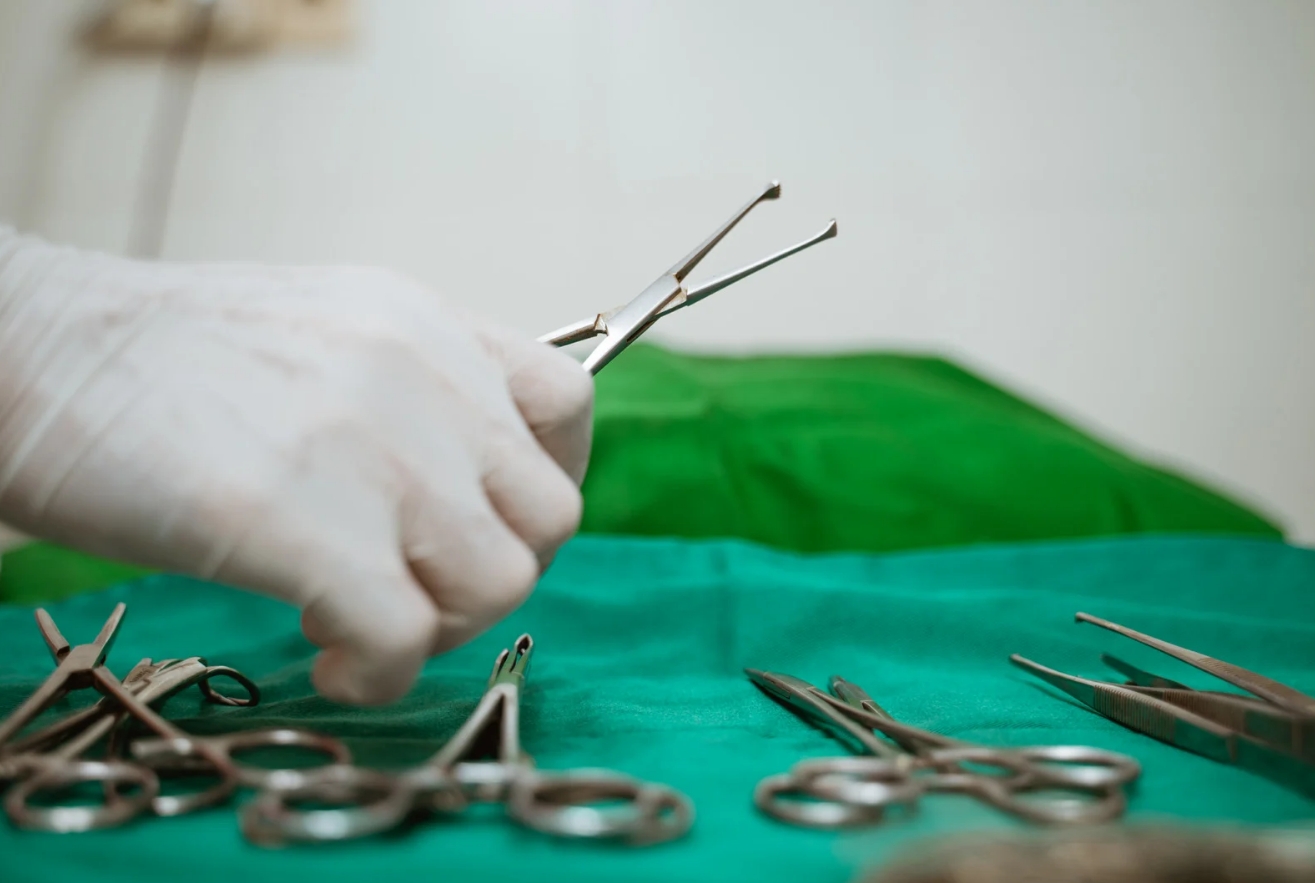
Neutering Your Dog – Female Spay
Spaying is a common surgical procedure that prevents female dogs from becoming pregnant. It also removes the risk of certain reproductive diseases, including pyometra (infection of the womb) and ovarian disease.
However, deciding when to spay your dog is important. At Kibbles, we follow the latest BVA and BSAVA guidance and consider each dog individually, rather than recommending the same age for every patient.
Why Spay Your Female Dog?
There are several reasons why spaying may be recommended:
-
- Prevents unwanted pregnancies.
- Eliminates the risk of pyometra following removal of the reproductive organs.
- Removes the risk of ovarian disease and ovarian tumours.
- Prevents seasons and associated hormonal changes.
- Removes the risk of false pregnancies following surgery.
Spaying can also influence the risk of certain cancers and other health conditions. However, the timing of surgery can affect these risks, and some breeds have an increased risk of orthopaedic problems or urinary incontinence following early neutering.
This is why we take an individual approach to every dog.
When Should My Dog Be Spayed?
There is no single ideal age for every female dog.
The latest BVA and BSAVA guidance recommends considering spaying between approximately 12 and 23 months, depending on the breed and expected age of physical maturity.
Larger breeds generally take longer to mature than smaller breeds.
When advising on the timing of surgery, we consider:
-
- Breed and expected adult size.
- Physical and skeletal maturity.
- Previous seasons and reproductive history.
- Lifestyle and risk of unwanted pregnancy.
- Individual health considerations.
We will discuss the advantages and disadvantages of different timings with you before recommending surgery.
The Operation
Spaying is a routine procedure in veterinary practice, but it is still major abdominal surgery and requires a general anaesthetic.
Your dog will be admitted on the morning of surgery and examined by our veterinary team. We will discuss any pre-operative investigations, anaesthesia and pain relief before proceeding.
During surgery, the ovaries are removed, with the uterus also removed where indicated by the chosen surgical procedure. The incision is closed using appropriate sutures, which may be dissolvable.
Most dogs can return home the same day.
Recovery and Aftercare
Following surgery, your dog will need approximately 10–14 days of restricted activity, although recovery times can vary.
We recommend:
-
- Short, controlled lead walks.
- No running, jumping or rough play.
- Keeping the surgical wound clean and dry.
- Preventing licking or chewing using a protective collar or medical pet shirt if required.
- Checking the wound twice daily for swelling, redness or discharge.
Our team will advise you on pain relief, aftercare and whether a post-operative check is required.
If you notice any concerns during recovery, contact us for advice.
Neutering Your Dog – Male Castration
Castration involves surgically removing both testicles to prevent reproduction and reduce testosterone production.
Although it is a commonly performed procedure, surgical castration isn’t necessarily the right choice for every male dog. The decision should take into account the dog’s breed, age, behaviour, lifestyle and overall health.
Why Castrate Your Male Dog?
Potential benefits include:
-
- Preventing unwanted pregnancies.
- Eliminating the risk of testicular cancer.
- Reducing the risk of certain testosterone-dependent prostate conditions.
- Reducing some hormone-driven behaviours, such as roaming and urine marking.
However, castration is not a guaranteed solution for behavioural problems.
Fear-based aggression, anxiety and learned behaviours may not improve following surgery and can sometimes become worse. If behaviour is the main reason for considering castration, we recommend discussing this with a vet before making a decision.
When Should My Dog Be Castrated?
We follow the latest BVA and BSAVA recommendations, which move away from routine early castration.
For many dogs, physical maturity is reached between approximately 12 and 24 months, although this varies considerably between breeds.
We assess each dog individually before recommending surgery.
Factors we consider include:
-
- Breed and expected adult size.
- Skeletal and physical maturity.
- Behaviour and temperament.
- Lifestyle and household circumstances.
- Any existing medical conditions.
For some dogs, delaying surgery or choosing not to castrate may be the most appropriate option.
If one or both testicles have not descended into the scrotum, this also needs veterinary assessment, as retained testicles carry an increased risk of tumours and other complications.
Chemical Castration – Suprelorin
Surgical castration isn’t the only option available for male dogs.
At Kibbles, we can also discuss Suprelorin, a form of temporary medical or chemical castration.
Suprelorin is a small implant containing deslorelin, which is placed under the skin. It works by temporarily suppressing testosterone production and fertility without surgically removing the testicles.
This may be suitable for owners who want to consider temporary suppression of fertility or explore medical castration before deciding whether surgical castration is appropriate.
How does it work?
-
- The implant is placed under the skin during a veterinary appointment.
- It gradually suppresses testosterone production.
- The 4.7mg implant provides at least six months of fertility suppression.
- The 9.4mg implant provides at least 12 months of fertility suppression.
- Treatment can be repeated when required.
It is important to understand that the implant does not work immediately. Fertility suppression generally takes around six weeks with the six-month implant and eight weeks with the 12-month implant.
There can also be a temporary initial increase in testosterone-related behaviours before the full effect develops.
Suprelorin is not a permanent alternative to surgical castration, and although its effects are generally reversible, fertility does not always fully return. It should not be relied upon as a guaranteed test of how a dog will behave following surgical castration.
Our vets can discuss whether Suprelorin is suitable for your dog, including the benefits, limitations and costs.
The Surgical Procedure
Before surgery, your dog will receive a pre-operative examination and any recommended investigations.
Castration is performed under general anaesthetic. A small incision is made in front of the scrotum, allowing both testicles to be removed. The incision is then closed with appropriate sutures.
Most dogs can return home the same day.
Recovery and Aftercare
Following surgery, we recommend:
-
- Restricted exercise for approximately 10–14 days.
- Short lead walks only.
- No running, jumping or rough play.
- Preventing licking or chewing at the surgical site.
- Checking the wound twice daily.
Our team will provide full discharge instructions and advise you on pain relief and recovery.
Neutering Your Cat
Neutering is an important part of routine preventative healthcare for cats. It prevents unwanted litters and can help reduce certain behaviours associated with sexual maturity.
At Kibbles, we recommend neutering both male and female cats at around 16 weeks of age, in line with current BVA and BSAVA guidance, unless there is a clinical reason to delay.
Cats can reach sexual maturity surprisingly early, so leaving neutering too late can result in unwanted pregnancies.
Why Neuter Your Cat?
Female cats
-
- Prevents unwanted pregnancies.
- Prevents seasons and associated calling behaviour.
- Prevents pyometra.
- Removes the risk of ovarian and uterine disease associated with the organs removed during surgery.
Male cats
-
- Prevents unwanted breeding.
- Reduces urine spraying and territorial marking.
- Can reduce roaming and fighting associated with mating behaviour.
- Eliminates the risk of testicular cancer.
Neutering can also reduce the risk of certain infections and injuries associated with fighting and roaming.
The Procedure
Both male and female cats undergo a general anaesthetic for neutering.
Female cats (spaying)
An incision is made into the abdomen or flank, depending on the surgical approach. The ovaries are removed, with the uterus also removed where indicated. The incision is closed using appropriate sutures.
Female cats usually go home the same day, with aftercare instructions to support recovery.
Male cats (castration)
A small incision is made in the scrotum to remove both testicles. The incisions are generally left open to heal naturally, so stitches are not usually required.
Male cats typically recover quickly, although they should be monitored closely following their procedure.
Our team will provide individual aftercare advice and let you know if a follow-up examination is needed.
Neutering Advice at Kibbles
Neutering isn’t a one-size-fits-all decision. The benefits, potential risks and appropriate timing can vary considerably between individual animals.
At Kibbles, we follow current BVA and BSAVA guidance and base our recommendations on the latest available evidence.
Whether you’re considering a traditional surgical procedure or medical castration with Suprelorin, our team can explain the options and help you make an informed decision about your pet’s care.
https://www.bva.co.uk/take-action/our-policies/neutering-of-cats-and-dogs?utm_source=chatgpt.com
https://vet-uk.virbac.com/home/products/dogs/reproduction/suprelorin.html?utm_source=chatgpt.com